Save 50% on eerie tales using the code: proparanormal
It wasn't the first investigation... But it became the most important:
The 'Real' Bohlandor Haunting.— A Paranormal Investigation That Spanned Sixteen Months
Between 2021 and 2022, ProParanormal conducted eighteen investigations at Bohlandor Orchard, documenting more than 72 hours of original video footage.
What began as an investigation into unusual activity became a prolonged examination of electromagnetic anomalies, unexplained audio recordings and environmental conditions that repeatedly challenged conventional explanations.
Not every observation could be explained. But every unexplained event demanded further investigation, not an immediate supernatural conclusion.
This was one location that repeatedly resisted explanation, and it stands apart not just for its longevity, but for the sheer weight of evidence captured under environmentally controlled conditions.
During several investigations, Paranormal Investigator and Author I.T. Thompson documented a series of electromagnetic anomalies that appeared to move with intent, spiking in direct response to verbal prompts and then vanishing entirely when approached.
Thermal imaging revealed a distinct, child-sized heat signature standing motionless in a bedroom, consistent with earlier references to a name undisclosed, yet no physical source could be identified.
Even more striking was the audio captured during a controlled EVP session. A clear, strained rasping, deep and gravelling, responding to a ghost hunters questions, layered 18 hertz beneath the static of an SB7 spirit box that all present felt simultaneously.
Perhaps most unsettling, however, was the moment the atmosphere of the house itself seemed to shift, walls creaking under no structural strain, free-floating shadows deepening unnaturally, as if reacting to an unseen force asserting dominance.
These events, recorded across multiple devices and witnessed in real time, marked a turning point: the investigation was no longer about proving the presence of something unknown, but confronting something that was aware.
"I recorded this; I tested this; this is what I could eliminate; this is what remained unexplained."
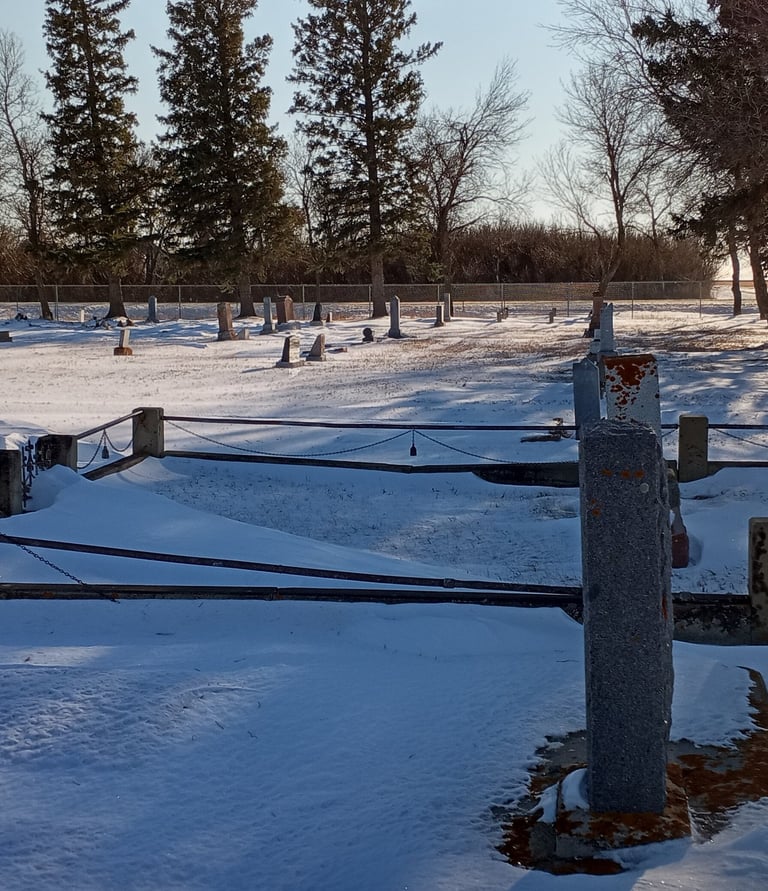
The Memorial Cemetery. Final resting place for the land owner of Bohlandor.
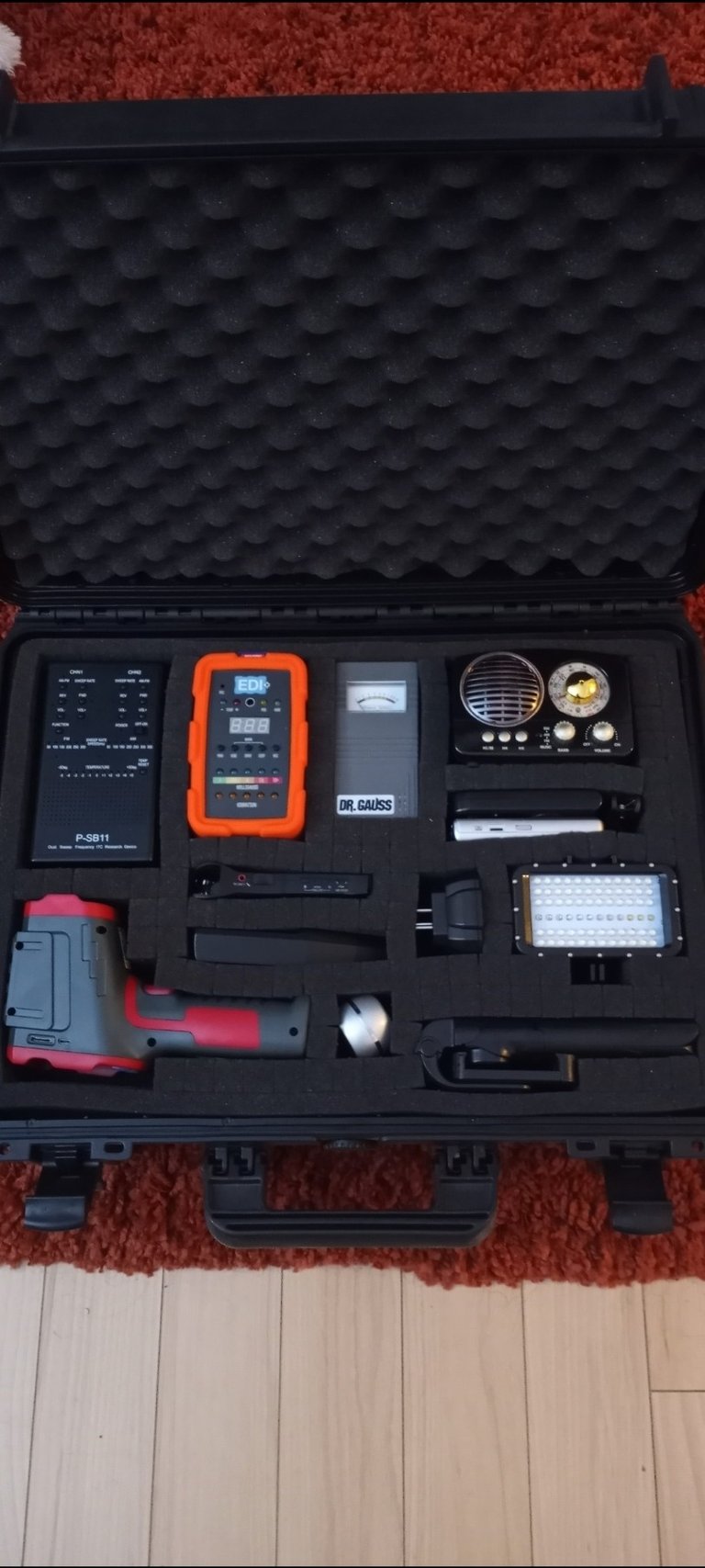
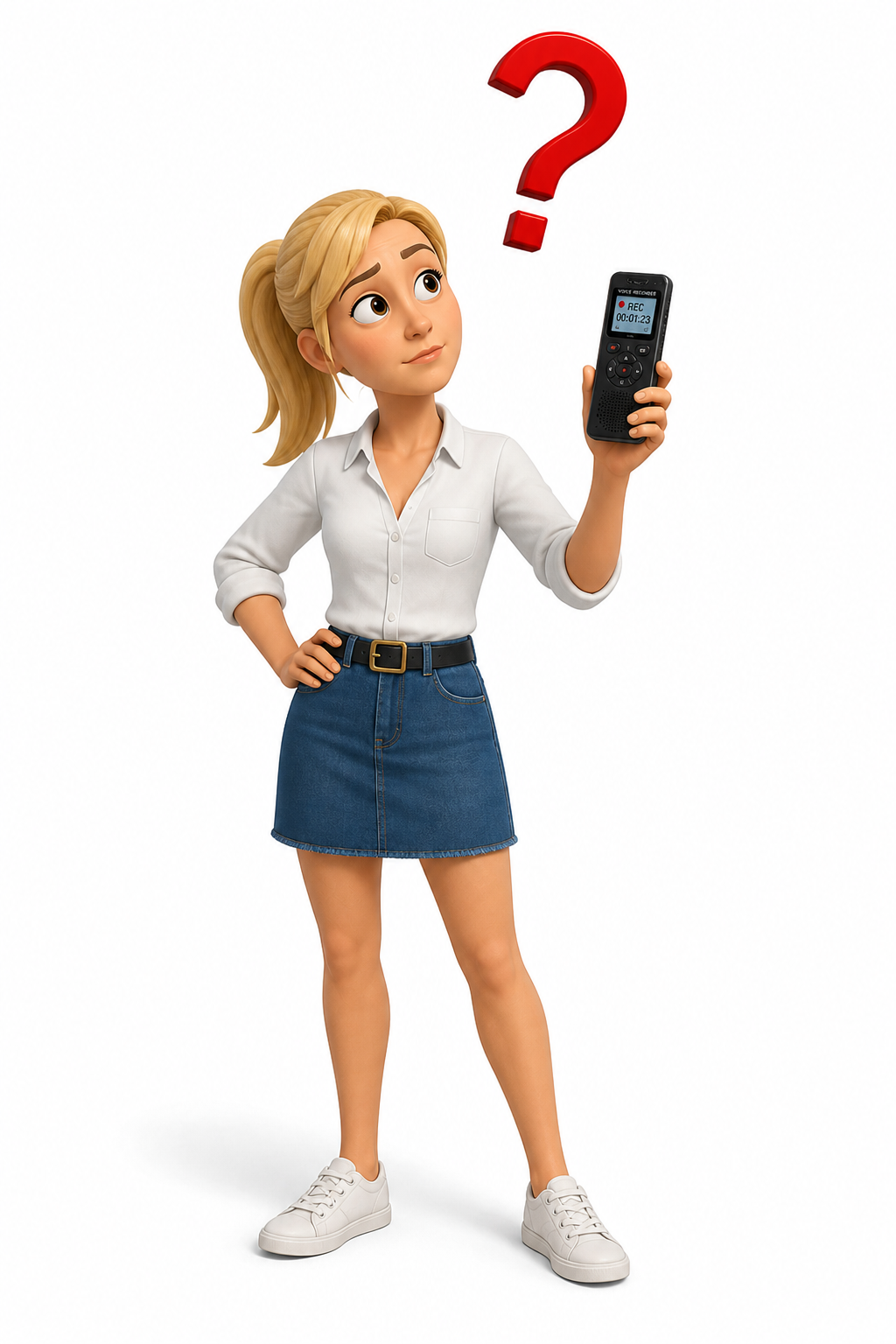
Tough Case Contents: SB11 spirit box - EDI+ - Thermal imager - Digital recorders.
The Bohlandor Investigation — At a glance
16 months of investigation.
18 professional investigations.
72+ hours of original video documentation.
200+ recorded EVP and anomalous voice events.
Multiple investigators and third-party witnesses.
EMF, thermal, audio and visual anomalies.
One location that kept giving us a reason to return.
Why did we keep going back?
Bohlandor was never judged on the evidence from a single night. Each investigation raised questions that could only be tested by returning to the same environment, establishing new baselines, repeating experiments and comparing the results with earlier visits.
Had Bohlandor been investigated once, without baseline testing or follow-up investigation, the conclusion would have been simple: inconclusive.
Eighteen investigations allowed patterns to emerge.
Explore the Bohlandor Investigation Further
Eighteen investigations. Sixteen months. More than seventy-two hours of original footage. Yet the Bohlandor Haunting left questions that demanded further examination.
Paranormal Experiments at the Queens Hotel
Discover how ProParanormal continued testing unusual phenomena and investigating possible connections to the Bohlandor Haunting.
The Bohlandor Haunting: Three Spirits and a Demon
Explore the first book in the Bohlandor series, inspired by the original investigation and the events that followed.
The Paranormal Universe of I. T. Thompson
Enter the ProParanormal Reading Room and explore the interconnected stories, characters and mysteries behind the books.
“Evidence we could explain / Evidence we couldn't”
Dust was dust. Insects were insects. Radio contamination remained radio contamination. Environmental EMF had to be identified before anomalous EMF could even be considered.
Evidence that could be reasonably explained was discarded. What remained became the focus of Bohlandor.
The Bohlandor Evidence Standard - Investigative Protocol
Baseline established → environmental source checked → equipment checked → contamination considered → independent recording compared → witness observations documented → evidence reviewed.
1. Baseline Established
Before investigating, establish what is normal for the location. Record ambient temperature, background EMF levels, natural sounds, electrical sources and anything already present that could later be mistaken for paranormal activity.
Example: An EMF reading beside a refrigerator, electrical panel or Wi-Fi router is documented before the investigation begins. If the same reading appears later, it isn't automatically treated as anomalous.
2. Environmental Source Checked
When something unusual occurs, first look for a physical or environmental explanation.
Example: A sudden cold area is checked for open windows, ventilation, drafts and changes in heating. A moving shadow is compared against vehicle headlights, investigators' movements and external light sources.
3. Equipment Checked
The equipment itself must not be responsible for the anomaly.
Example: If a K2 meter suddenly spikes, nearby phones, radios, electrical wiring and other transmitting equipment are checked. Batteries, sensitivity settings and device behaviour are also considered before retaining the event.
4. Contamination Considered
Ask whether another person, radio transmission, movement, reflection, insect, dust particle or ordinary sound could have contaminated the evidence.
Example: A voice heard through a spirit box is examined for recognisable radio bleed. An apparent orb captured by an infrared camera is considered against dust, moisture and insects before any paranormal interpretation is entertained.
5. Independent Recording Compared
Where possible, compare the event against another device recording the same area.
Example: If a voice appears on one audio recorder, check the camcorder audio operating simultaneously. If both devices capture the same sound at the same moment, its characteristics and possible source can be compared. If only one captures it, that fact is documented too.
6. Witness Observations Documented
What investigators and independent witnesses experienced should be recorded separately from what the equipment captured.
Example: If three people hear footsteps upstairs, each person's account is documented, where they were standing, what they heard and when, before reviewing the recording. This reduces the risk of everyone unconsciously adopting the same interpretation afterward.
7. Evidence Reviewed
Only after those checks should an event be classified.
Example: A strange voice isn't immediately labelled an EVP. It is replayed, compared with the original footage, checked against investigators' speech and environmental sounds, and assessed for radio or electronic contamination. The final result might be explained, probable contamination, inconclusive, or unresolved anomaly.
The investigation was real. The ProParanormal Universe is fiction.
The Bohlandor Haunting grew from documented investigation footage and experiences. As the books developed, real identities and locations remained protected while fictional characters, storylines and supernatural mythology expanded around the original inspiration.
The evidence that still bothers me...
Years later, there are recordings from Bohlandor I can explain. There are photographs I have dismissed. There are environmental readings that eventually found perfectly ordinary causes.
And then there are the others.
The voice that answered the question it had just been asked.
The shadow without an obvious source.
The thermal figure that remained when nothing physical stood before the camera.
The names spoken in context.
The apparent interactions that seemed to demonstrate paragental awareness.
Those are why Bohlandor remains open in my mind.
The objective was never to prove that everything at Bohlandor was paranormal...
It was to eliminate what wasn't... and investigate what remained. Examine snippets of some of the evidence below... Read the story... Make up your own mind...

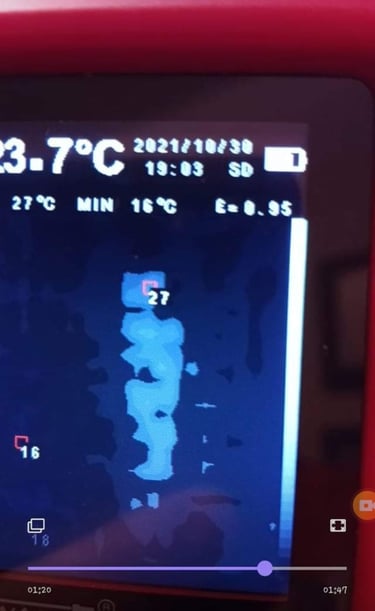

October 30, 2021 'Bohlandor' - The thermal imager picked up a distinct anomaly against the colder background, a clearly defined heat signature that didn’t belong. It stood roughly child height, its outline uneven but unmistakably shaped like a person, with a slightly brighter concentration where a head and upper torso can be seen.
Unlike normal heat sources, it didn’t disperse or fade naturally; it held its form for several minutes registering 27°C within the 16°C surrounding air temperature, almost suspended, before turning its head subtly as if adjusting its position.
There was no corresponding physical presence to account for it, no body, no heat-emitting object or ventilation, yet the camera continued to register it as a stable, warm figure.
As it vanished, the surrounding air seemed to react, the temperature dropping in its wake, leaving behind a cold void where the warmth had been only moments before.
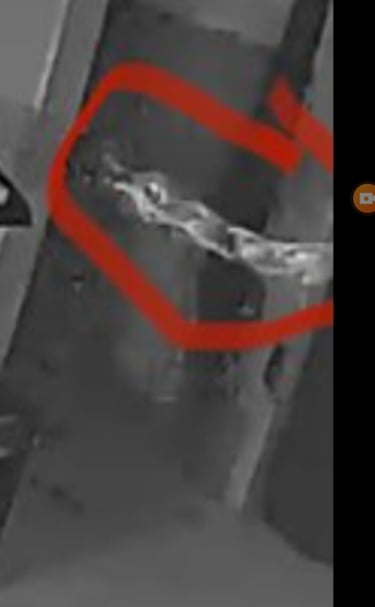
'Orbs' in paranormal contexts are typically described as small, round or irregular light anomalies that appear in photos or video, often noticed at the time of capture. They're usually bright against darker backgrounds and can seem to move, streak, or even change shape depending on motion and lighting conditions.
Look at this image, the circled anomaly isn’t a classic circular orb, it appears elongated, almost like a twisting or segmented streak. That shape is important. Instead of a self-contained glowing sphere, this looks more like something that has moved during the camera’s exposure, creating a stretched, fluid trail measuring over one meter in length.
The brightness and uneven shape here strongly suggest it’s interacting with the camera’s light source rather than emitting its own light. The “structured” look can easily come from the way wings beat or how the camera processes motion frame-to-frame.
From an investigative standpoint, this would be classified as an anomalous visual artifact, but not strong standalone evidence of anything paranormal. It becomes more interesting only if paired with other data, like EMF spikes, temperature shifts, or simultaneous audio anomalies.
In short: it looks striking, but its form and behavior lean much more toward a fast-moving particle or insect caught in infrared light than a discrete, intelligent “orb.”
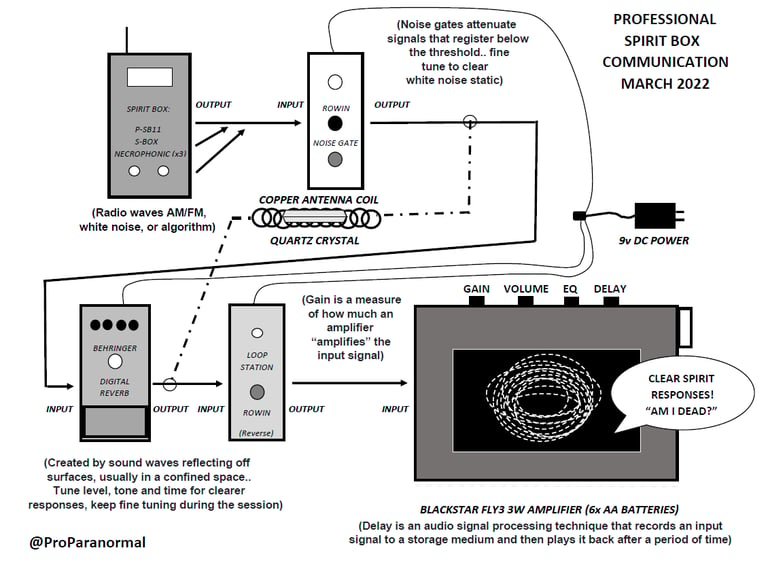
The ProParacube - This device was used with many spirit communication devices such as the SB7/SB11 and SBox which all rapidly scan AM/FM bands or generate white noise, a phone application or digital recorder can also be used. On its own, the device produces a fragmented stream of phonetic sounds, static, and radio bleed, raw material rather than clear speech. The idea is that this noise provides a carrier or 'bed' of sound that can be shaped.
That signal is then fed into a noise gate. This is a key filtering stage: anything below a certain threshold is cut off, while stronger spikes pass through. In practical terms, this strips away low-level hiss and randomness, allowing only sharper, more defined bursts of audio to continue. Fine-tuning here would make a big difference, too strict and you lose detail, too loose and you keep the chaos.
Finally, everything is sent through an amplifier, where gain, EQ, and delay are applied. The gain boosts the signal, EQ shapes the frequencies (for example, enhancing mid-range tones where human speech typically sits), and delay adds another layer of repetition and spacing. This combination can make certain sounds stand out as clearer, more speech-like elements.
Put together, the system takes random, fragmented noise and passes it through stages that:
filter (noise gate),
stretch and layer (reverb),
reshape (reverse loop),
and enhance (amplifier with EQ/delay).
The end result is audio that can sound far more structured than the original input, sometimes resembling disembodied voices or EVP-like responses, especially when the brain starts recognizing patterns in the refined signal (Audio-Paredolia).
From there, the loop station records a slice of that processed audio and plays it back... reversed. Reversing the signal changes the structure of the sound, sometimes turning abrupt noise bursts into smoother, more vowel-like tones. Looping it repeatedly reinforces any patterns, making them easier for the ear to pick out over time.
Next, the signal goes through a reverb unit. Reverb simulates reflections of sound in a physical space, effectively stretching and layering the audio. This can make short, clipped sounds linger and overlap, which may help patterns or syllables feel more continuous and voice-like rather than fragmented.


December 24, 2021. The thermal image from the basement was one of the most unsettling visual captures of the entire investigation. The room itself registered at approximately 19.2°C, while the basement heating system was producing an ambient temperature of around 24°C, with warm air blowing directly down onto the area where the figure appeared to be standing. Yet within the thermal display, the figure remained markedly colder, registering at approximately 8°C.
Around its dark silhouette, the warmer air appeared as a mass of pale, almost white pixelation, visibly surrounding and passing around the form. The contrast was difficult to ignore. Warm air was moving through the basement, yet the apparent figure maintained a distinctly cold signature against its surroundings. I watched the display carefully, checking that the image was not simply a fleeting distortion caused by movement or changing conditions.
As I moved closer, the thermal display revealed something I had not noticed at first. Within the mass of cold surrounding the figure, a face-like form appeared to emerge from the shifting haze. Two darker areas suggested the eyes, while the uneven thermal patterns below seemed to form the impression of a nose and mouth. Granted, it wasn't exactly a passport photo. It was distorted, fragmented by the thermal pixels, almost as though the features were being assembled from the cold itself. But moving slowly forward, the closer I came, the more the suggestion seemed to take shape, a pale, distorted face suspended within the colder region, staring right back from the display.
What made the capture particularly compelling was its duration. The figure did not simply appear for a fraction of a second and disappear. It held its position for several minutes, remaining visible while the surrounding thermal patterns continued to shift. The cold shape seemed almost isolated from the warmer environment, standing motionless within the basement as the heat continued to blow directly around it.
I literally could offer no immediate explanation for what I was seeing. The thermal camera had recorded a temperature differential, but the image alone could not tell me what had caused it. Whatever the explanation, the figure had remained there long enough to be observed, documented, and captured on the thermal display. For the haunting, this was no longer just another strange shape on a screen. It was one of the moments that made Apparitions in the Basement chapter so difficult to dismiss.


The real evidence behind Bohlandor
Before Bohlandor became a story, there was an investigation.
The thermal images, spirit-box sessions and recordings described below came from the original investigation that inspired The Bohlandor Haunting. They are presented as they were documented at the time, not as proof of the paranormal, but as part of the evidence that ultimately gave Bohlandor its story.
Questions by Lorna put to paranormal investigator I.T. Thompson:
Q - What specifically happened at Bohlandor that made you question over two decades of scepticism?
"Well... For over two decades, I'd never seen anything that convinced me of the paranormal. Through Occam's Razor, everything had a logical explanation. I approached every case with a balance of scepticism, methodology, and respect for the unknown."
"Then in December of 2020, Bohlandor came along... And I found myself going back again... And again! Over an sixteen month period and eighteen professional investigations, my work focused primarily on controlled environments, reliable equipment, and careful analysis, capturing verifiable data such as EMF fluctuations, thermal anomalies, and direct-response audio. My methodology was changing, advancing, and I found myself not relying on assumptions or the unpredictable; every investigation was about understanding what was truly happening, documenting it with precision, and presenting clear, grounded findings to the clients."
Q - What examples of events were captured at Bohlandor?
"Whether a private residence or a historically active location, I brought both technical knowledge and calm to this haunting. I focused expertise to uncover answers where others found only questions."
"Yet... Some parts of the Bohlandor investigations simply resisted explanation, no matter how carefully they were tested. Free-floating shadows that moved independently of light sources or environmental structure defying standard debunking attempts, no heat signature, no physical origin, no environmental trigger that accounted for their motion or timing. Likewise, voices captured beneath layers of static with distinct speech inflection. Over two hundred Electronic Voice Phenomena and disembodied voices in all (not including growling) having repeatedly formed clear, structured speech patterns, responding in context rather than randomness, ruling out in most cases simple audio pareidolia or interference in several controlled recordings."
"And then there are the moments that go further still, instances that suggest something operating with intent, awareness, and continuity beyond a single event or location. Not just phenomena, but intelligence from beyond the grave, interacting, reacting, and adapting in ways that challenge conventional interpretation."
Q - A Neologism or paranormal 'Neo-word' was born during the investigations. Can you tell us about this new word?
"To describe this ghostly intelligence, a new term was formed: Paragence - meaning paranormal intelligence. Not merely presence, not random disturbance, but something that demonstrates cognition within the unexplained. It is the point where investigation stops being about proving “if” something exists, and starts confronting the possibility that something is actively aware of being observed... Even if it is dormant!"
Q - What evidence led you to conclude that spirits from different time periods can perceive one another?
"This is one of several questions that sits at the edge of theory, yet over the course of repeated investigations, it appeared to be answered with unsettling consistency."
"Can a spirit from an earlier period perceive a spirit from a more recent one?"
"I believe so. Cross-temporal interaction was observed in multiple sessions, where anomalous audio responses appeared to reference or react to presences by name not tied to the same historical context. For example, we appeared to capture an elderly lady who passed away in the mid-1980s interacting with a little boy who died in 2015. There is no way she could have logically known of his existence, yet names and actions were clearly defined and consistently interpreted. One example was the ball-rolling incident, where she appeared to call his name followed by a firm ‘NO’, seemingly telling him to leave it alone. These moments suggested that the ‘layering’ of presences was not isolated by time, but instead coexisted within the same perceptual field, able to overlap and, at times, acknowledge one another."
Q - Spirit attachments. How did you determine that the activity followed you home rather than being coincidental?
"Consistent patterns indicated that certain individuals, including myself, carried transient energetic associations following exposure to active sites. 'Like changing engine oil on a car, it's unavoidable not to have a drop leak onto you!' These attachments from my own investigations were not permanent however, typically diminishing and ceasing within a two-week period, that was the clue that they were attachments. Short lived. But during that window they identified as repeated EM fluctuations, auditory phenomena, and perceptual disturbances centred around my own home rather than the haunted location. So... I used this energy, tested it, like a kind of pre-investigative assessment of my equipment before the next initial investigation. It became more of a helpful phenomena than a ghostly hinderance. I simply exhausted it of any energy."
Q - What would you say to any investigators who remain entirely sceptical of cases like this?
"Taken together, these findings contributed to a broader shift in understanding: that the phenomena under study were not static hauntings confined to place, but dynamic interactions, layered, responsive, and at times aware of both time and proximity."
"But I'll also say this! If Bohlandor had been approached as a one-time investigation, with no baseline testing, no repeat visits, and no controlled methodology within controlled environmental conditions, it would have concluded as nothing. Determination and dedication. That's the difference."
"Scepticism is essential, I don't doubt that, but so is persistence. One visit proves very little if anything. Eighteen investigations under controlled conditions, begin to tell a different story."
Q - How did the ProParanormal series begin, and how did your approach to writing the stories evolve over time?
"It all began when I was 12 years old. During a middle school English class assignment, we were asked to write a short three-page story. I ended up writing a horror tale about a phantom miner haunting the boiler room beneath our school, and by the time I finished, it had grown to six pages. To my surprise, the teacher chose to read it aloud to the entire class personally, a moment I still remember with pride to this day. Now, over 40 years later, I find myself once again writing stories born from imagination, mystery, and the unknown."
"Today, I find one of the greatest challenges is maintaining continuity within each written episode, regardless of its length. But as the series developed and more stories unfolded around David Quinn, Lorna Parker, and Trinity Jenna, something shifted, the characters began to take on lives of their own. Their voices became clearer, their actions more instinctive, and instead of forcing the narrative, it felt as though they were guiding it. From that point on, each new episode flowed naturally, as if the characters themselves were writing the story with every step forward."
"The Bohlandor Haunting, the first book, began very differently. It was originally intended as a non-fiction account, based on over 72 hours of original video footage from the real paranormal investigation, its true location and name remaining confidential. But as the material was revisited and the narrative took shape, the story evolved, laying the foundation for everything that followed."
"The Bohlandor Haunting was clearly in my own eye, a paragental haunting...! And still stands to be to this very day!"
So... Was the Bohlandor Haunting real?
It’s a fair question... but one that answers itself when you look at the weight of what unfolded. If it had all been inconclusive, there would have been no reason to return again and again... yet sixteen continuous investigations took place, each building on the last. A single unexplained moment can be dismissed, but a consistent pattern of documented events cannot be ignored.
The evidence didn’t exist in isolation either; third-party witnesses stood alongside with their own accounts, describing what they saw and experienced without influence or expectation.
And perhaps most telling of all... if there had been nothing there, no substance to it, no undeniable thread of truth, then the story would have simply ended quietly. There would have been no need to write it, no reason for a book to be born from it.
But it didn’t end there... not even close. What began at Bohlandor was only the opening chapter of something far larger. From the intensity of those investigations, the books continued, and three fictional characters based on the actual investigators emerged fully realised:
Paranormal Investigator David Quinn, grounded and methodical; Ghost Hunter Lorna Parker, intuitive and unshaken in the face of the unknown; and Psychic Empath Trinity Jenna, whose connection to the unseen would prove deeper than anyone expected.
Together, they carried the work forward through a spin-off of ProParanormal fictional short stories, expanding beyond a single location into a continuing journey of encounters, evidence, and unanswered questions. Each new case built on what came before, pushing them further into the shadows of the unexplained, where the line between investigator and participant began to blur, and the story evolved into something far more personal, and far more dangerous.
ProParanormal:
Pro-efficient
Pro-active
Pro-fessional
Contact
© ProParanormal 2026 All rights reserved.
info@proparanormal.com




Use code PROPARANORMAL to save an additional 50%
🔒 All submissions are encrypted via HTTPS and treated as confidential.