Save 20% on eerie tales
The Ultimate Guide to Paranormal Investigation Safety
Professional guidance on risk assessments, PPE, abandoned buildings, residential investigations, churches, cemeteries, forests, emergency planning, and free investigation forms.
I. T. Thompson
7/4/202619 min read
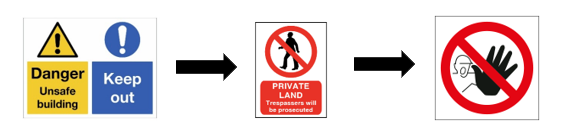
What Are The Risks of Entering an Abandoned Property?
Exploring abandoned buildings has become increasingly popular among urban explorers, paranormal investigators, photographers, and history enthusiasts. While these locations can offer a fascinating glimpse into the past, they also present very real dangers that should never be underestimated.
Structural Collapse
One of the greatest risks is the condition of the building itself. Many abandoned houses have been left to deteriorate for years or even decades. Floors may be rotten beneath carpets or floorboards, staircases can be unstable, and ceilings weakened by water damage may collapse without warning. A single misplaced step could result in serious injury or leave you trapped inside.
Falls and Hidden Hazards
Abandoned properties are often filled with hazards that are difficult to see, especially in poor lighting, and most YouTube investigators prefer complete darkness. Loose floorboards, uncovered cellars, broken staircases, exposed nails, shattered glass, holes concealed by debris, and unstable balconies all increase the likelihood of slips, trips, and falls. Without another person present, even a relatively minor injury can quickly become a serious situation.
You're Alone
Investigating alone means there is no one to assist if something goes wrong. If you fall, become trapped, suffer a medical emergency, or lose consciousness, help may not arrive for hours, or even days, depending on how isolated the location is. This is why experienced investigators rarely explore abandoned buildings without a partner and always ensure someone knows where they are going.
Trespassing or Breaking and Entering
Many abandoned houses remain private property, even if they appear neglected or derelict. Entering without the owner's permission may constitute trespassing and could result in legal consequences. Some sites are actively monitored by security companies, neighbouring residents, or local authorities. Always obtain permission before entering any property.
Hazardous Materials
Older buildings may contain dangerous substances such as asbestos, mould, lead paint, chemical residues, or airborne dust. Prolonged exposure can pose serious health risks, particularly in poorly ventilated spaces.
These individual hazards will be looked at a little later.
Wildlife and Animals
Abandoned buildings often become home to wildlife. Bats, rodents, birds, insects, snakes, feral cats, and even aggressive dogs may be encountered. Startling an animal in a confined space can quickly become dangerous.
Criminal Activity
Not every abandoned building is truly abandoned. Some may be used by squatters, vandals, drug users, or individuals seeking privacy. Unexpected encounters can be unpredictable and potentially dangerous. This is one reason why David Quinn's long-standing saying has become something of a motto within ProParanormal:
“I fear the living more than the dead.”
Paranormal Investigations
For those investigating alleged hauntings, it's important not to become so focused on paranormal experiences that you overlook very real physical dangers. Unusual noises, darkness, or heightened emotions can distract investigators from unstable flooring, broken structures, or other environmental hazards. Good paranormal investigation always begins with personal safety.
Whether you're an urban explorer, photographer, historian, or paranormal investigator, no location is worth risking your life. Never enter an abandoned building alone, always seek permission from the property owner, wear appropriate safety equipment, carry reliable lighting and communication devices, and let someone know exactly where you will be.
The greatest dangers inside abandoned buildings are often not ghosts, they're gravity, decay, and the very real risks posed by the living world.
Is the House Really Abandoned?
One of the biggest mistakes investigators make is assuming that because a house looks abandoned, it is safe or unoccupied. Appearances can be deceiving.
Before entering any property, look for signs that it may still be in use. One of the clearest indicators is live electricity. If lights are on, electrical sockets are working, security systems are active, or you hear appliances operating, someone is almost certainly paying the electricity bill. That means the property is likely still owned, maintained, or occupied, even if only occasionally.
A building with active utilities should never be considered abandoned. Owners may visit periodically, the house could be awaiting renovation or sale, or it may simply be vacant between occupants. Entering without permission is trespassing and could place you in direct confrontation with the owner, caretakers, security personnel, or contractors working on the property.
Other signs that a building may not be truly abandoned include:
Electricity or exterior lighting in operation.
Vehicles parked nearby.
Fresh tyre tracks or footprints.
Well-maintained gardens or recently cut grass.
Curtains, blinds, or furniture that appear recently arranged.
CCTV cameras or alarm systems.
Recently collected mail or deliveries.
Fresh padlocks, chains, or repaired doors and windows.
Modern LED energy saving light bulbs or smart-enabled lights.
Evidence of recent maintenance or building work.
Remember, vacant does not mean abandoned.
From a paranormal investigator's perspective, this is an important distinction. Not only does entering an occupied property carry legal consequences, but it also places investigators at unnecessary risk. Unexpected encounters with homeowners, contractors, or squatters can escalate quickly and create situations far more dangerous than anything paranormal.
If the power is on, ask yourself one simple question:
Someone is paying the electricity bill.
When in doubt, stay out. Always obtain permission before entering any private property, regardless of how abandoned it may appear.
How Can the Risks Be Prevented?
No paranormal investigation or urban exploration is worth risking your safety. While hazards can never be completely eliminated, careful planning and good investigative practice can significantly reduce the likelihood of accidents.
Never Investigate Alone
Always investigate with at least one other person. Working as a team ensures someone is available to assist in an emergency, call for help, or provide first aid if an accident occurs. It also provides independent witnesses to any unusual events.
Obtain Permission
Before entering any abandoned property, ensure you have permission from the owner or landholder. This not only avoids trespassing but also demonstrates professionalism and respect for the location.
Carry the Right Equipment
Every investigator should carry:
A reliable torch and (plenty) spare batteries.
A fully charged mobile phone.
A basic first aid kit.
Appropriate footwear with good grip.
Gloves and suitable clothing for rough terrain.
Drinking water.
Assess the Building First
Before beginning an investigation, carry out a visual risk assessment. Look for unstable floors, damaged ceilings, broken staircases, exposed wiring, open shafts, and other obvious hazards. If a structure appears unsafe, do not enter.
Establish Communication
Ensure all team members know the investigation plan and remain in regular contact. Agree on meeting points, emergency exit routes, and what to do if someone becomes separated from the group.
Tell Someone Where You're Going
Even if you're investigating as a team, a trusted friend or family member should know:
The investigation location.
Who is attending.
Expected arrival and departure times.
When to expect a check-in message after the investigation.
Avoid Unnecessary Risks
Do not climb unstable structures, enter rooms with collapsing floors, or force entry into sealed areas. No photograph, piece of evidence, or paranormal experience is worth serious injury.
Carry a Medical Information Sheet
Every investigator should complete a confidential medical information sheet before attending an investigation. In the event of an accident or medical emergency, this information can be invaluable for emergency responders.
The form should include:
Full name.
Emergency contact details.
Date of birth.
Known medical conditions.
Current medications.
Allergies. (Penicillin will be the first asked).
Blood type (if known).
Any mobility issues or disabilities.
GP or doctor's contact details (optional).
Consent for emergency medical treatment if required.
The team leader should keep these forms securely and ensure they are available only in the event of an emergency.
Know When to Stop
Fatigue, poor weather, failing equipment, or deteriorating building conditions can all increase the level of risk. If conditions become unsafe, end the investigation. There will always be another opportunity to return.
Safety Comes Before Evidence
Professional paranormal investigation is about collecting evidence responsibly, not taking unnecessary risks. The best investigators understand that their most valuable piece of equipment isn't a camera, EMF meter, or spirit box… it's good judgement.
A successful investigation is one where everyone returns home safely, regardless of whether any paranormal activity was documented.
Health Risks Found in Abandoned and Derelict Buildings
While paranormal investigators often focus on the possibility of unexplained activity, the greatest dangers inside abandoned buildings are usually environmental. Many derelict properties contain hazards capable of causing serious illness or injury.
Mould
Damp conditions encourage the growth of mould, particularly black mould (Stachybotrys chartarum) and other fungal species. Disturbing mould spores can lead to:
Breathing difficulties.
Persistent coughing.
Eye and skin irritation.
Asthma attacks.
Lung infections in vulnerable individuals.
Investigators should avoid entering heavily mould-infested areas without appropriate respiratory protection.
Asbestos
Buildings constructed before the late 1990s may contain asbestos in insulation, ceiling tiles, pipe lagging, floor coverings, roofing materials, and textured coatings.
When asbestos-containing materials are damaged, microscopic fibres can become airborne. Inhaling these fibres has been linked to:
Asbestosis.
Lung cancer.
Mesothelioma.
If asbestos is suspected, the safest approach is to leave the area immediately without disturbing any materials.
Legionella Bacteria (Legionnaires' Disease)
Unused plumbing systems and stagnant water tanks can harbour Legionella bacteria. When contaminated water becomes airborne as fine droplets, it can be inhaled, potentially causing Legionnaires' disease, a serious form of pneumonia.
Potential sources include:
Old water tanks.
Shower systems.
Cooling towers.
Standing water within plumbing systems.
Avoid disturbing stagnant water or operating old plumbing in abandoned buildings.
Ammonia and Animal Waste
Many abandoned buildings become home to birds, bats, rodents, or other wildlife.
Large accumulations of urine and droppings can produce high levels of ammonia gas, which may cause:
Burning eyes.
Irritated airways.
Shortness of breath.
Dizziness.
Nausea.
Animal waste can also carry bacteria, fungi, and parasites capable of causing illness.
Histoplasmosis
Bird and bat droppings may contain the fungus Histoplasma capsulatum. When droppings dry out and are disturbed, fungal spores can become airborne.
Inhaling these spores may cause histoplasmosis, a lung infection that ranges from mild flu-like symptoms to severe respiratory disease.
Hantavirus and Rodent Diseases
Rodent urine, droppings, and nesting materials can carry viruses and bacteria.
Disturbing contaminated dust may expose investigators to diseases including:
Hantavirus (in some regions).
Leptospirosis.
Salmonella.
Avoid sweeping or disturbing rodent-infested areas.
Lead Paint
Older buildings frequently contain lead-based paint.
As paint deteriorates, lead-contaminated dust may be inhaled or ingested, particularly during renovation or disturbance.
Long-term exposure affects the nervous system and can damage multiple organs.
Sewage and Contaminated Water
Broken drainage systems may expose investigators to sewage bacteria, including:
E. coli.
Hepatitis A virus.
Leptospira bacteria.
Never walk through floodwater or standing water without appropriate protective footwear.
Toxic Chemicals
Some abandoned industrial or agricultural buildings contain:
Pesticides.
Cleaning chemicals.
Fuel residues.
Solvents.
Industrial waste.
Many chemicals cannot be detected by smell alone and may present significant health risks.
Poor Air Quality
Confined or sealed rooms may have dangerously low oxygen levels or contain elevated concentrations of carbon dioxide or other gases. Dust from decades of neglect can also irritate the lungs and reduce visibility.
Sharp Objects and Biological Hazards
Investigators may encounter:
Broken glass.
Rusted nails.
Exposed metal.
Used needles.
Animal carcasses.
Blood or bodily fluids.
These present risks of cuts, infection, and exposure to blood-borne diseases. Tetanus vaccination should be kept up to date.
Remember
Most injuries and illnesses associated with abandoned buildings have nothing to do with the paranormal. They result from deteriorating structures, environmental contamination, and biological hazards. A responsible investigator should carry out a thorough risk assessment, wear appropriate personal protective equipment where necessary, and never ignore signs that a building may be unsafe to enter.
The safest investigation is one where every team member leaves in the same condition they arrived.
Personal Protective Equipment (PPE) for Paranormal Investigations
Paranormal investigators often carry cameras, EMF meters, and spirit boxes, but one of the most important pieces of equipment is often overlooked - Personal Protective Equipment (PPE). When exploring abandoned or derelict buildings, PPE helps protect investigators from physical injury, hazardous materials, and biological contaminants.
Respiratory Protection (Face Masks)
A suitable face mask is essential when entering old buildings, particularly those with mould, dust, bird droppings, or deteriorating building materials.
FFP2 or N95 respirators provide good protection against fine dust, mould spores, and airborne particles.
FFP3 respirators offer a higher level of filtration and are recommended where heavy mould contamination or large amounts of dust are present.
A standard surgical or cloth face covering offers little protection against fine airborne particles and should not be relied upon in hazardous environments.
Protective Gloves
Hands are often the first point of contact with contaminated surfaces.
Disposable nitrile gloves are ideal for handling potentially contaminated objects, old paperwork, or equipment. They also provide protection from dirt, mould, and minor chemical residues.
For rough environments, investigators should wear heavy-duty work gloves over or instead of disposable gloves to protect against:
Rusted nails.
Broken glass.
Sharp metal.
Splintered timber.
Rough masonry.
Safety Footwear
Ordinary trainers offer little protection inside abandoned buildings.
Investigators should wear sturdy walking boots or safety boots with:
Steel or composite toe protection.
Slip-resistant soles.
Good ankle support.
Thick puncture-resistant soles.
Proper footwear reduces the risk of slips, falls, and injuries caused by hidden debris.
Eye Protection
Safety glasses or protective goggles should be worn when exploring dusty lofts, basements, or areas with loose debris.
They help prevent:
Dust entering the eyes.
Falling particles.
Splashes from contaminated water.
Flying debris during accidental impacts.
Protective Clothing
Long sleeves and durable trousers provide protection against:
Scratches.
Cuts.
Insect bites.
Brambles and vegetation.
Contact with contaminated surfaces.
Water-resistant outer clothing can also help when investigating damp or flooded properties.
Hard Hats
Or more advisable… Bump caps if you’re apprehensive about your appearance. But remember, it's not about fashion, or how good you look on camera. It's about safety... Your safety!
If entering buildings with damaged ceilings, loose roof timbers, or unstable masonry, a hard hat should be considered.
Head injuries can occur from falling plaster, roof tiles, timber, or accidental contact with low beams. (I’ve witnessed it plenty of times).
High-Visibility Clothing
Although not always necessary inside buildings, high-visibility vests are useful when:
Investigating roadside locations.
Working around derelict industrial sites.
Conducting outdoor night investigations.
They help ensure investigators remain visible to one another and to emergency services if required.
Hand Hygiene
Carry alcohol-based hand sanitiser and wash hands thoroughly after leaving the location, especially before eating or drinking.
Investigators should avoid touching their face while wearing contaminated gloves.
First Aid Kit
Every investigation team should carry a well-stocked first aid kit containing:
Sterile dressings.
Adhesive plasters.
Bandages.
Antiseptic wipes.
Eye wash.
Disposable gloves.
Emergency foil blanket.
CPR face shield.
At least one team member should be trained in basic first aid.
Selecting the Correct PPE
Different investigations require different levels of protection.
Investigation Location & Recommended PPE:
Abandoned buildings - Safety boots, gloves, FFP2/FFP3 mask, hard hat, eye protection, torch
Residential homes - Gloves (if required), shoe covers, first aid kit, torch
Churches & cemeteries - Boots, torch, gloves, weatherproof clothing
Forests & woodland - Hiking boots, waterproof clothing, insect repellent, head torch, high-visibility vest (if required)
Industrial sites - Safety boots, hard hat, eye protection, gloves, FFP3 mask, hearing protection if required
PPE Does Not Replace Common Sense
Even the best protective equipment cannot eliminate every hazard. PPE should always be used alongside a thorough risk assessment, safe working practices, good communication, and sound judgement.
Professional paranormal investigators understand that the greatest threats are rarely paranormal. By wearing the appropriate PPE and preparing for the environment, investigators can focus on documenting evidence while ensuring the safety of themselves, their team, and the public.
Investigating Churches and Cemeteries: Risks and Safety Considerations
Churches and cemeteries are among the most commonly investigated locations in paranormal research. Many hold centuries of history, making them places of genuine historical interest as well as alleged paranormal activity. However, they are also active places of worship, remembrance, and heritage, requiring investigators to approach them with professionalism, respect, and an awareness of the risks involved.
Respect the Location
First and foremost, remember that churches and cemeteries are not simply investigation sites. They are places where families mourn loved ones, where funerals take place, and where people come to reflect and pray. Always conduct yourself respectfully, avoid unnecessary noise, and never interfere with graves, memorials, or religious artefacts.
Obtain Permission
Many churchyards are privately owned by the church or local authority. If you intend to investigate inside a church or outside normal opening hours, always obtain permission beforehand. Trespassing can lead to legal consequences and damages the reputation of paranormal investigators.
Uneven Ground
Cemeteries often contain:
Uneven paths.
Hidden rabbit holes.
Tree roots.
Sunken graves.
Loose gravel.
Wet grass.
These hazards increase the risk of trips, slips, and falls, particularly during night investigations. Always use suitable footwear and adequate lighting.
Unstable Headstones and Monuments
Older gravestones can become unstable over time due to weathering and ground movement.
Never:
Lean on headstones.
Sit on monuments.
Attempt to straighten fallen memorials.
Climb over grave markers.
Even a seemingly solid stone can collapse unexpectedly, causing serious injury.
Low Light Conditions
Many investigations take place after dark, reducing visibility considerably.
Carry:
A high-quality torch.
Spare batteries.
A secondary backup light.
Never rely solely on the light from a mobile phone.
Wildlife
Churchyards often become habitats for wildlife including:
Bats.
Foxes.
Birds.
Rodents.
Badgers.
Insects.
Take care not to disturb nesting animals, particularly during breeding seasons.
Trees and Falling Branches
Large mature trees are common in old cemeteries.
Following storms or during high winds, branches may fall without warning. Avoid investigating beneath damaged trees during adverse weather.
Weather Conditions
Unpredictable weather such as rain, frost, snow, and ice can make stone pathways extremely slippery.
Investigations should be postponed if severe weather creates unnecessary risks.
Biological Hazards
Older churchyards may contain:
Bird droppings.
Animal waste.
Mould.
Standing water.
Wear gloves if handling gates or old surfaces and wash hands thoroughly for 20-seconds after the investigation. This duration is the minimum required for soap to break down the waxy coatings of viruses and effectively lift bacteria and germs off your skin.
Personal Security
Some cemeteries and isolated churches may attract vandalism, antisocial behaviour, or criminal activity, particularly after dark.
Always:
Investigate in a group.
Let someone know your location.
Park in a well-lit area.
Be aware of your surroundings.
As David Quinn often reminds his team:
“I fear the living more than the dead.”
Respect Graves
Never:
Walk directly across graves where possible.
Stand on grave markers.
Move flowers or memorial items.
Touch personal tributes left by families.
Stage photographs that appear disrespectful.
Professional investigators leave every location exactly as they found it.
Religious Services
Always check whether services, weddings, funerals, or remembrance events are taking place before beginning an investigation.
If members of the public are visiting loved ones, suspend the investigation until they have left.
Emotional Well-being
Churches and cemeteries can evoke strong emotions, particularly for investigators who have recently experienced bereavement.
Team leaders should remain aware of the emotional welfare of everyone present and ensure no one feels pressured to continue if they become distressed.
Equipment Awareness
Avoid creating unnecessary trip hazards by:
Keeping cables tidy.
Using tripods carefully.
Maintaining communication between investigators.
Protect expensive equipment from rain and damp conditions.
Emergency Planning
Before starting, ensure the team knows:
The nearest vehicle access point.
The location of the nearest hospital.
Emergency contact numbers.
Meeting points if the group becomes separated.
Carry a first aid kit and ensure at least one investigator has basic first aid training.
Professional Conduct
Remember that your behaviour reflects the wider paranormal community.
A professional investigator should always:
Respect the dead.
Respect grieving families.
Respect church property.
Respect local laws.
Respect the history of the location.
The goal of paranormal investigation is not simply to search for evidence but to preserve the dignity of the places and people whose stories continue to be remembered there.
A successful investigation is one where both the living and the resting places of the dead are treated with equal care and respect.
Investigating Residential Properties: Risks and Professional Considerations
Residential investigations are among the most sensitive areas of paranormal research, which may explain why you don’t see many legit ones on social media. Unlike abandoned buildings or historic sites, you are entering someone's home, a place where people should feel safe, secure, and comfortable. Families who request a paranormal investigation are often experiencing fear, anxiety, sleep deprivation, or emotional distress. It is therefore essential that investigators conduct themselves with professionalism, empathy, and respect at all times.
Obtain Written Permission
Always ensure the homeowner or legal tenant has given permission for the investigation. If the property is rented, check whether additional permission is required before carrying out equipment setup or extensive investigations.
Respect the Family
Remember that you are a guest in someone's home.
Always:
Remove muddy footwear if requested.
Respect private areas.
Ask permission before entering bedrooms or personal spaces.
Avoid discussing the family's experiences publicly without consent.
Maintain complete confidentiality.
Many families are already worried about being ridiculed. Your role is to reassure them, not reinforce their fears.
Safeguarding Children and Vulnerable Adults
If children or vulnerable adults live in the property:
Never interview a child without a parent or guardian present.
Avoid asking leading questions.
Do not encourage children to believe they are being haunted.
Ensure investigations do not cause unnecessary fear or emotional distress.
The wellbeing of the family must always come before the investigation.
Conduct a Safety Assessment
Before setting up equipment, identify potential hazards including:
Loose rugs and carpets.
Narrow staircases.
Low ceilings.
Slippery flooring.
Pets.
Electrical hazards.
Trip hazards from furniture.
Avoid creating additional risks by leaving cables or equipment in walkways.
Electrical Safety
Older homes may have ageing electrical systems.
Do not overload sockets with multiple chargers, extension leads, or investigation equipment.
Inspect cables regularly and keep electrical equipment away from water.
Fire Safety
Identify:
Fire exits.
Smoke alarms.
Escape routes.
Never block doorways or hallways with equipment.
Preferably, candles should not be used as part of an investigation.
Pets
Dogs, cats, and other animals may react unpredictably to unfamiliar people and equipment.
Ask the homeowner:
Whether pets should remain in another room.
If any animals are nervous or aggressive.
Whether investigators have allergies.
Never interpret normal animal behaviour as paranormal without considering natural explanations first. Remember, if you have pets present, you have audio noise contamination.
Manual Handling
Large equipment cases, cameras, and lighting can be heavy.
Lift correctly and avoid carrying excessive weight upstairs without assistance.
Psychological Considerations
Many families contacting paranormal investigators have experienced prolonged stress.
Sleep deprivation, anxiety, bereavement, relationship difficulties, or environmental factors can all influence how unusual experiences are perceived.
Professional investigators should:
Listen without judgement.
Avoid making immediate paranormal conclusions.
Consider natural explanations first.
Never exaggerate findings.
Your responsibility is to investigate objectively… not to frighten the occupants.
Avoid Contamination
Investigators should avoid introducing false evidence by:
Moving furniture unnecessarily.
Leaving doors or windows open.
Handling personal belongings.
Accidentally creating noises mistaken for paranormal activity.
Document everything (link to free forms on our home page).
Photography and Filming
Always obtain written permission before photographing or filming inside a private residence.
Discuss:
Which areas may be recorded.
Whether family members wish to appear on camera.
How footage will be stored and used.
Respect requests for privacy.
Confidentiality
Everything discussed within the property should remain confidential unless the homeowner has provided written permission for publication.
Never disclose:
Addresses.
Family names.
Personal circumstances.
Photographs.
Audio recordings.
Professional trust is essential.
Medical Information
If investigators will be working for extended periods, the team leader should have confidential medical information for all team members, including:
Emergency contacts.
Allergies.
Medical conditions.
Current medication.
In an emergency, this information could save valuable time.
Working as a Team
Never leave an investigator alone inside a client's home.
Maintain communication throughout the investigation and agree on meeting points if investigators separate into different rooms.
Respect the Outcome
Not every investigation will reveal paranormal activity.
Sometimes unusual experiences have entirely natural explanations. Be honest with the family about your findings and avoid sensationalising evidence simply to produce a dramatic conclusion.
Likewise, if compelling evidence is documented, present it calmly and objectively without making claims that cannot be supported.
Remember Why You're There
A residential investigation is not about proving ghosts exist. It is about helping people understand what they are experiencing while ensuring they feel heard, respected, and supported.
The greatest success is not capturing dramatic evidence, it is leaving a family feeling safer, better informed, and confident that their concerns have been taken seriously.
Professionalism, compassion, and integrity should always be the most important tools any paranormal investigator carries into a person's home.
You can download the complete collection of forms from our home page or by visiting the "Free Paranormal Investigation Forms" blog, published on 6 July 2026, where new forms will continue to be added as the ProParanormal investigation library grows.
Investigating Forests and Woodlands at Night: Risks and Safety Considerations
Forests and woodland locations have long been associated with folklore, legends, and reports of paranormal activity. Their isolation and natural darkness can create an ideal setting for an investigation, but they also present some of the highest safety risks. Unlike buildings, help may be miles away, communication can be unreliable, and the environment itself can quickly become hazardous.
Extreme Darkness
Once the sun sets, forests become exceptionally dark. Even on a clear night, dense tree cover can block moonlight, making visibility extremely limited.
This increases the risk of:
Becoming disorientated.
Walking into trees or branches.
Missing sudden drops or uneven ground.
Losing sight of other investigators.
Always carry at least two reliable torches per person and spare batteries.
Becoming Lost
Many woodland paths look similar, particularly at night.
Investigators can easily:
Wander off marked trails.
Become separated from the group.
Lose their sense of direction.
Walk in circles.
Carry GPS devices or offline maps, even paper maps, mark your route, and agree on designated meeting points before entering the woodland.
Uneven Terrain
Forest floors are rarely level and may contain:
Hidden holes.
Tree roots.
Loose rocks.
Fallen branches.
Mud.
Steep embankments.
These hazards greatly increase the likelihood of slips, trips, sprains, and falls.
Wildlife
Forests are home to a variety of animals, many of which become more active after dark.
Depending on your location, you may encounter:
Deer.
Wild boar.
Foxes.
Badgers.
Snakes.
Bats.
Birds of prey.
Rodents.
Insects and ticks.
Never approach or corner wildlife and remember that frightened animals may behave unpredictably.
Insect Bites and Ticks
Woodland environments can expose investigators to:
Mosquitoes.
Midges.
Horseflies.
Ticks.
Ticks can carry diseases such as Lyme disease in some regions. Wear long sleeves, tuck trousers into boots where practical, use insect repellent, and check for ticks after leaving the area.
Falling Branches
Dead or weakened branches may fall without warning, particularly during windy weather.
Avoid investigating during storms or periods of high wind and be cautious around trees showing signs of decay.
Water Hazards
Many forests contain:
Streams.
Rivers.
Ponds.
Marshland.
Hidden drainage ditches.
Abandoned wells.
At night these hazards can be difficult to see and may be deeper than expected.
Poor Mobile Phone Signal
Remote woodland often has little or no mobile phone coverage.
Before investigating:
Inform someone of your location.
Carry emergency contact details.
Consider walkie talkie radio’s for communication between team members.
Weather Changes
Weather conditions can change rapidly.
Cold temperatures, heavy rain, fog, or strong winds may increase the risk of:
Hypothermia.
Reduced visibility.
Slippery ground.
Falling trees or branches.
Always check the forecast and dress appropriately.
Criminal Activity
Some woodland areas may be used for:
Illegal camping.
Fly tipping.
Poaching.
Drug cultivation.
Antisocial behaviour.
Unexpected encounters with people can present a far greater risk than any alleged paranormal activity.
Fire Risk
During dry conditions, avoid using naked flames or smoking in woodland areas.
Forest fires can spread rapidly and endanger both investigators and wildlife.
Fatigue
Walking long distances over uneven ground while carrying equipment is physically demanding.
Take regular breaks, remain hydrated, and know when to end the investigation if fatigue begins to affect judgement.
Team Communication
Never investigate a forest alone.
Maintain visual or radio contact with other team members and use a simple buddy system so that no investigator becomes isolated.
Respect the Environment
Woodlands are valuable ecosystems.
Do not:
Damage trees or vegetation.
Disturb wildlife.
Leave litter.
Remove historical or natural objects.
Leave the woodland exactly as you found it.
Plan for Emergencies
Before entering the forest:
Carry a fully stocked first aid kit.
Ensure at least one team member has first aid training.
Know the nearest vehicle access point.
Share your planned route with someone not attending the investigation.
Carry whistles or personal alarms to attract attention if required.
Final Thoughts
Forests can provide fascinating locations for paranormal investigations, but they demand careful planning and respect. The greatest dangers are usually not supernatural, they are the natural hazards of the environment itself.
Professional investigators understand that evidence is never worth risking personal safety. A well-planned investigation, appropriate equipment, and good teamwork will always be your best protection when exploring the unknown after dark.
Our Safety, Training, and Professional Standards
At ProParanormal, team member and public safety is considered just as important as the investigation itself. Founder I.T. Thompson has undertaken extensive professional training throughout his career in emergency response, health and safety, and workplace risk management to ensure every investigation is conducted responsibly and to recognised safety standards. His qualifications include and are not limited to:
Emergency First Aid CPR/AED Level (C)
Canadian Red Cross
Emergency First Aid (RQF) CPR/AED
Qualsafe Level 3 (Management of Catastrophic Bleeding)
C.O.S.H.H (Control of Substances Hazardous to Health)
Asbestos E-Awareness
Electric Shock
Environmental Awareness
Fire Safety
Fire Warden
Fire Risk Assessments
Legionella Awareness
Manual Handling
HS+E
Noise at Work
Slips Trips Falls
Work at Heights
I.O.S.H (Institution of Occupational Safety and Health)
Investigating Incidents
RAMS (Risk Assessment Method Statement)
Risk assessing
Understanding Hazards
W.H.M.I.S (Workplace Hazardous Materials Information Systems)
Work Site Safety
Health and Safety Certified
Department of Environmental Health (UK)
Alcohol and Drugs in the Workplace
Manager & Supervisor (DOT) Level Certification
The Foundation Behind Every Investigation
These credentials and knowledge are used to directly support the planning and management of paranormal investigations, enabling thorough risk assessments, effective emergency preparedness, and professional safety procedures when working in abandoned buildings, residential properties, churches, cemeteries, and other potentially hazardous locations.
Throughout this guide, we've explored the importance of risk assessments, appropriate Personal Protective Equipment (PPE), emergency planning, investigator medical forms, environmental hazards, legal considerations, and professional conduct. These are not obstacles to an investigation, they are the foundations of one. A well-planned investigation protects not only you and your team but also your clients, the locations you visit, and the reputation of paranormal research as a whole.
It's a reminder that while the unknown may intrigue us, the real dangers often come from unstable buildings, environmental hazards, poor preparation, and human behaviour, not the spirits we seek to understand.
If this guide encourages even one investigator to wear the correct PPE, carry a first aid kit, complete a risk assessment, or think twice before entering an unsafe location, then it has achieved its purpose.
Investigate with curiosity.
Investigate with integrity.
But above all… investigate safely.
ProParanormal:
Pro-efficient
Pro-active
Pro-fessional
Contact
© ProParanormal 2026 All rights reserved.
info@proparanormal.com




Use code PROPARANORMAL to save an additional 50%
🔒 All submissions are encrypted via HTTPS and treated as confidential.